Security Installation Expenses Analysis: Factors Influencing Security System Installation Costs
Installing a security system is a critical step for protecting assets in businesses, industrial facilities, and residential properties. Understanding the factors that influence the cost of installation helps in making informed decisions. This article breaks down the key elements that affect the overall expense, providing clarity and actionable insights for those seeking advanced security solutions in Singapore.
Security Installation Expenses Analysis: Key Cost Drivers
Several factors determine the final price of a security system installation. These include the type of system, the complexity of the installation, and the specific needs of the property. Here are the primary cost drivers:
System Type: Basic alarm systems cost less than integrated smart security setups. CCTV cameras, access control, and intrusion detection systems vary widely in price.
Number of Devices: More cameras, sensors, or control panels increase the cost.
Installation Complexity: Older buildings or large industrial sites may require additional wiring or structural modifications.
Labor Costs: Skilled technicians charge based on the time and difficulty of the installation.
Customization: Tailored solutions with advanced features like AI analytics or remote monitoring add to the expense.
Maintenance and Support: Ongoing service contracts can influence initial installation pricing.
Understanding these factors helps in budgeting and selecting the right system for specific security needs.

Evaluating System Components and Their Impact on Cost
Breaking down the components of a security system clarifies how each element contributes to the overall installation cost.
Cameras and Sensors
Standard Cameras: Basic models with limited resolution and features are more affordable.
High-Definition Cameras: Offer better image quality and night vision but cost more.
Specialized Sensors: Motion detectors, glass break sensors, and environmental sensors add layers of protection but increase expenses.
Control Panels and Monitoring
Standalone Panels: Manage local alarms and alerts; generally less expensive.
Integrated Systems: Connect to cloud services or security providers for real-time monitoring, raising costs.
Access Control Systems
Basic Keypad Entry: Simple and cost-effective.
Biometric or Card Readers: Provide higher security but require more investment.
Network Infrastructure
Wired Systems: Require extensive cabling, increasing labor and material costs.
Wireless Systems: Easier to install but may need signal boosters or repeaters.
Each component’s quality and sophistication directly affect the installation price. Choosing the right balance between functionality and budget is essential.
Does Arlo have a security system?
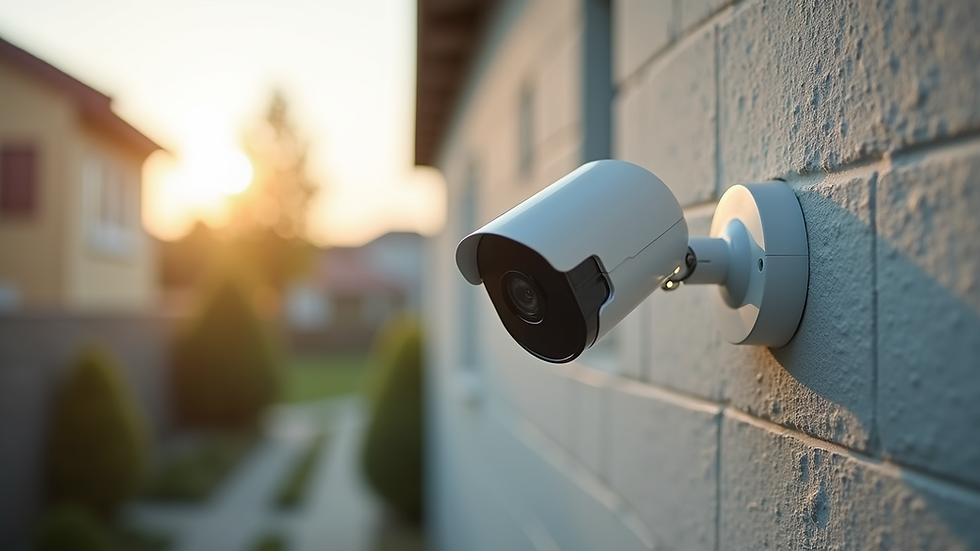
Arlo offers a range of security products, including wireless cameras and smart home security solutions. Their systems are designed for easy installation and integration with smart devices. While Arlo provides reliable options for residential and small business use, the choice of system depends on specific security requirements and scale.
Arlo’s wireless cameras reduce installation complexity and labor costs, making them a popular choice for those seeking flexible setups. However, for larger industrial facilities or businesses requiring comprehensive security coverage, more robust and customizable systems may be necessary.
Location and Property Type Influence on Installation Costs
The physical environment plays a significant role in determining installation expenses.
Residential Properties
Typically require fewer devices.
Easier access for installation.
Limited wiring complexity.
Lower labor costs.
Commercial Buildings
Larger areas needing multiple cameras and sensors.
Complex network integration.
Higher labor and material costs due to scale.
Industrial Facilities
Extensive coverage with specialized equipment.
Harsh environments requiring durable hardware.
Complex access control systems.
Potential need for custom engineering solutions.
The size, layout, and construction materials of the property affect installation time and difficulty. For example, concrete walls or high ceilings increase labor and equipment costs.
Choosing Professional Installation vs. DIY: Cost Implications
Opting for professional installation ensures system reliability and optimal performance but comes at a higher upfront cost. Professionals assess the property, design a tailored system, and handle complex wiring and configuration.
DIY installations reduce labor expenses but carry risks:
Incorrect setup leading to security gaps.
Voiding manufacturer warranties.
Limited technical support.
For businesses and industrial sites, professional installation is advisable to meet compliance and security standards. Residential clients with technical skills may consider DIY for basic systems but should weigh potential drawbacks.
Final Thoughts on Managing Security Installation Expenses
Understanding the variables that influence security system installation costs empowers better decision-making. Prioritize systems that align with security needs and budget constraints. Consider future scalability and integration with emerging technologies to protect investments.
For those seeking expert guidance, consulting with experienced security providers ensures tailored solutions and transparent pricing. This approach minimizes unexpected expenses and maximizes security effectiveness.
For a detailed breakdown and personalized quote, explore the security system installation cost options available.
By focusing on these factors, businesses and property owners can secure their premises efficiently and cost-effectively.


Comments